
Which book’s world would be the absolute worst to live in?
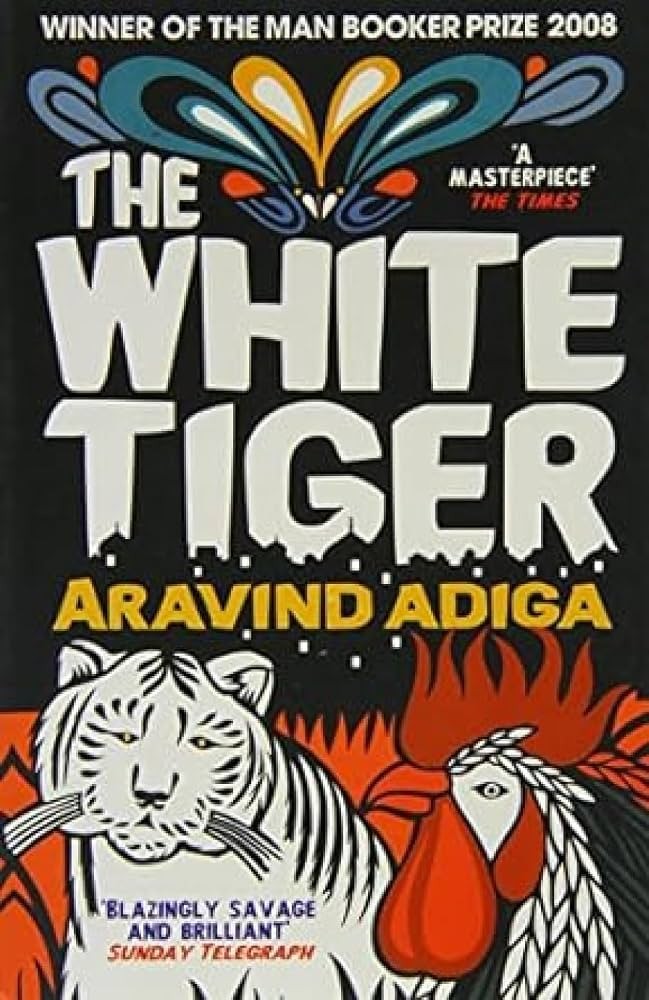
Some book worlds make us wish we could jump straight into their pages. Others make us grateful that the book has a back cover. For me, The White Tiger by Aravind Adiga belongs firmly in the second category.
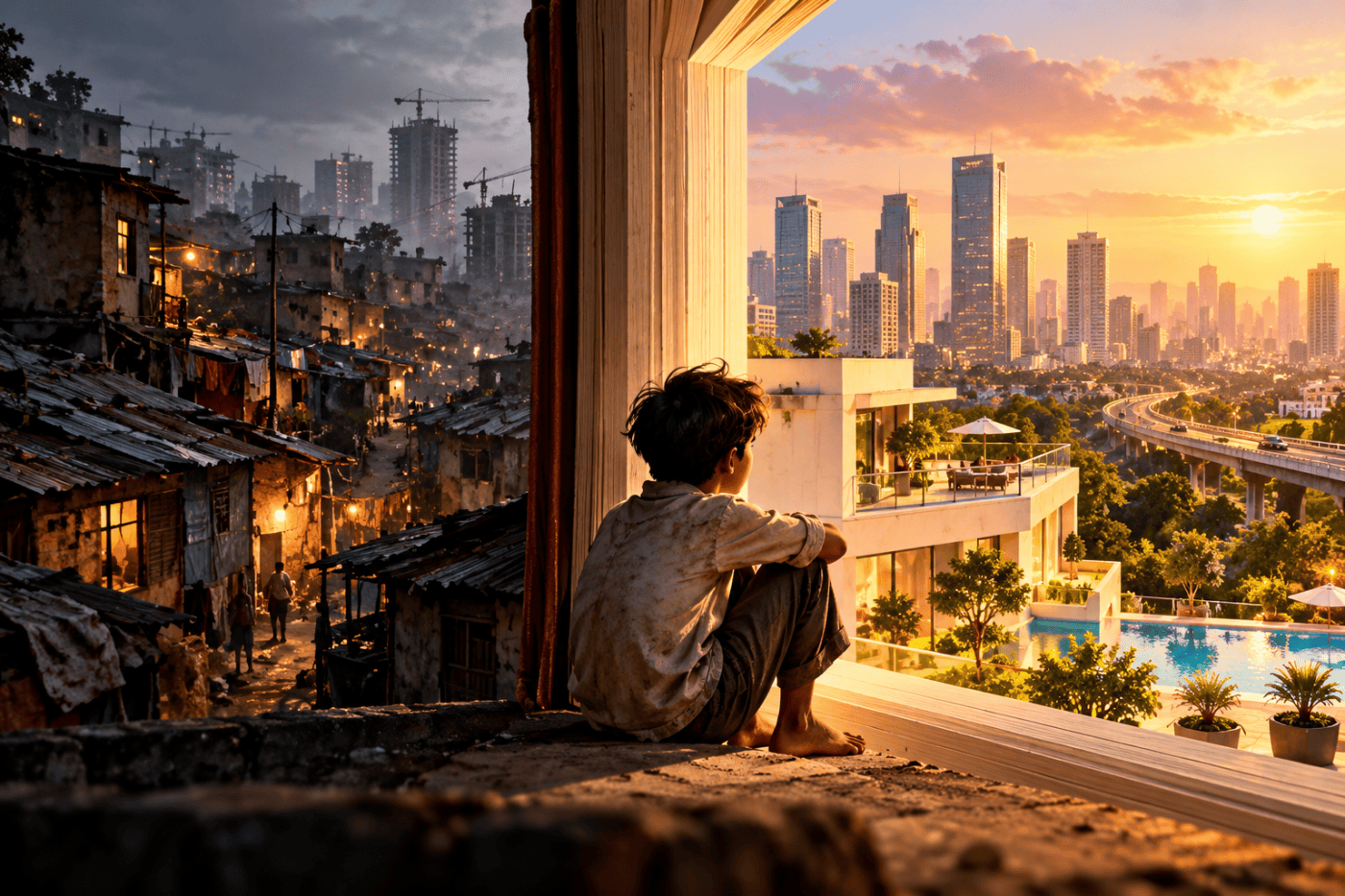
While reading this novel, I found myself moving between curiosity, discomfort, and disbelief. What struck me most was how a world could appear so ordinary on the surface yet conceal such extraordinary inequalities beneath it. There were moments when I wanted to pause, put the book aside, and ask, “How did we manage to make something so unfair seem so normal?”
The story follows Balram Halwai, a man navigating poverty, privilege, and corruption in modern India. His journey made me think about how differently life unfolds for people who are born into different circumstances. Some inherit opportunities; others inherit obstacles and are then told to overcome them with a smile.
Honestly, imagine needing a permission slip from society just to dream beyond your circumstances! If ambition were enough to change everything, half the world’s problems would disappear before Monday morning.
What makes this book unsettling is that its world does not feel entirely imaginary. There are no fire-breathing dragons or supernatural villains to blame. Instead, the frightening forces are human: prejudice, exploitation, and systems that allow some people to rise while keeping others trapped.
The novel also challenged me to think beyond easy judgments. Balram is neither a simple hero nor a straightforward villain; his choices force readers to confront uncomfortable questions about morality and survival.
As one might put it, “Sometimes, the darkest prisons are built from opportunities denied.”
After reading The White Tiger, I would much rather live in a fantasy kingdom with a troublesome dragon than in a society where your birthplace can influence your destiny. At least the dragon would have the decency to announce itself!
A Thought to Ponder
If we judge people by the choices they make, should we also judge the circumstances that shaped those choices?


Leave a Reply