What’s the most underrated movie you’ve ever watched?
Some movies entertain us. Some make us nostalgic. And some quietly find a permanent home in our hearts.
Have you ever finished watching a movie and sat quietly for a moment, thinking about it long after the screen went dark? Not because of a shocking climax or a hero’s grand entry, but because something about the story touched a part of you that you didn’t even know needed attention?
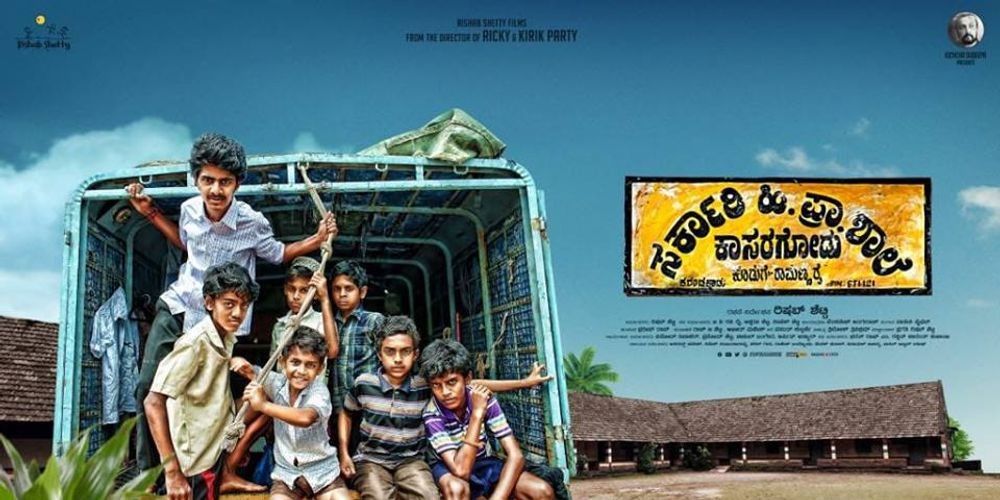
That is exactly how I feel about Sarkari Hiriya Prathamika Shale, Kasaragodu, Koduge: Ramanna Rai (2018), directed by Rishab Shetty.
When someone asks me about the most underrated movie I’ve ever watched, this Kannada gem immediately comes to mind. I have watched many wonderful movies, but some stories leave a different kind of impression. They don’t simply entertain us; they make us feel connected to something bigger than ourselves.
And this movie does that beautifully.
Honestly, who needs larger-than-life heroes when a bunch of schoolchildren can teach us lessons that many adults still struggle to learn?
A School That Was More Than Just Four Walls
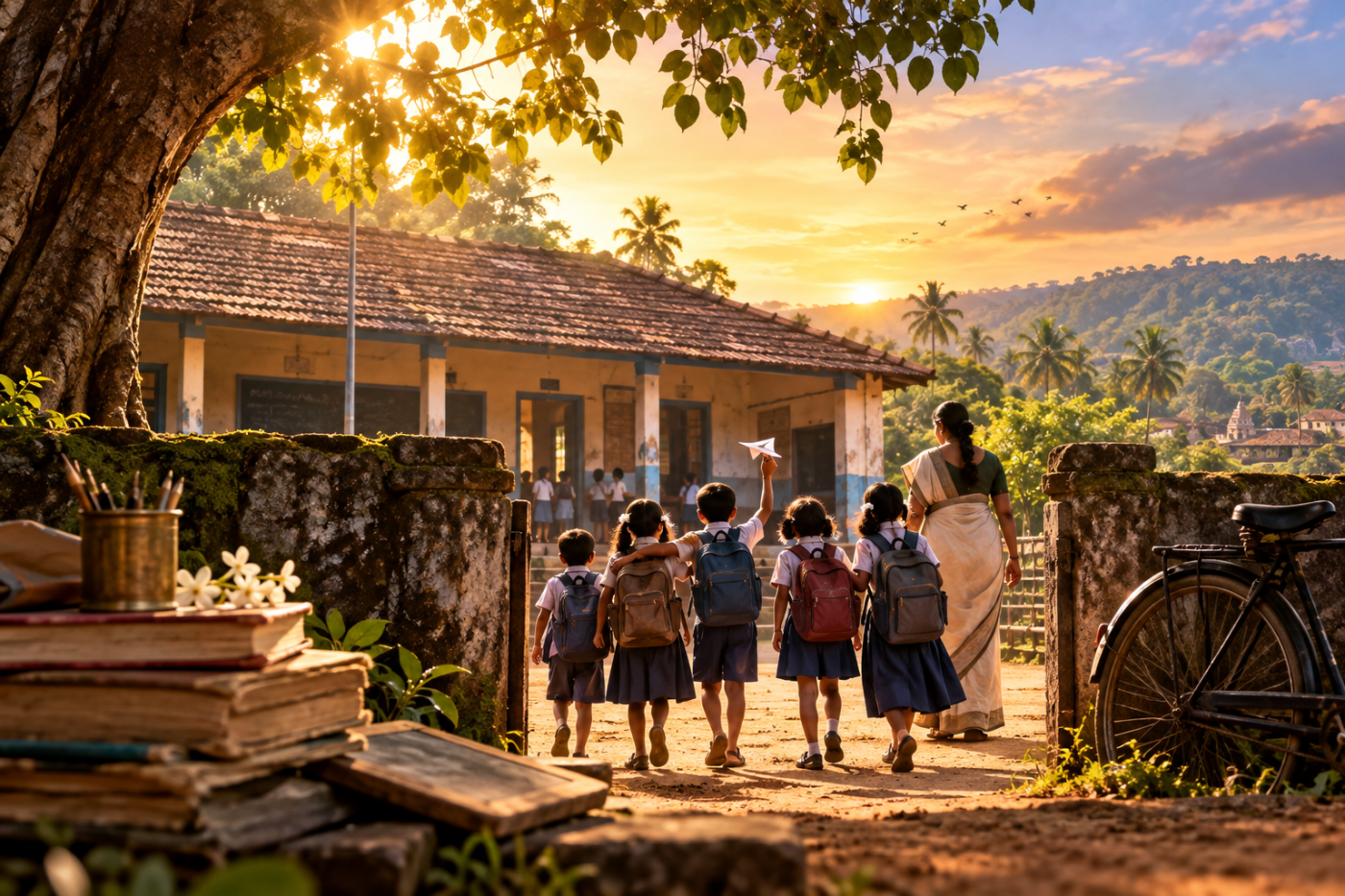
Set in Kasaragodu, the film revolves around children and teachers fighting to preserve their government school, where Kannada is the medium of instruction.
At first glance, it might seem like a simple story about a school. But look a little closer, and you will find friendship, innocence, determination, community, and the emotional connection between people and their language.
It also brings back memories of schooldays, doesn’t it? The classroom chatter, the innocent mischief, the friends who made even an ordinary day memorable, and the teachers whose words stayed with us long after we left school.
School was never just about textbooks and examinations. It was about growing up, making mistakes, learning to stand up for ourselves, and discovering the world one small experience at a time.
This film reminded me that sometimes, in our rush to build a better future, we forget to protect the things that gave our lives meaning in the first place.
The Children Who Teach Adults a Lesson
The children in this movie are not merely characters who move the story forward. They represent something we adults often lose along the way: the courage to care about something without constantly calculating what we stand to gain.
Children can be wonderfully stubborn. Ask them to finish their homework, and suddenly they have a hundred urgent matters to attend to. But give them something they genuinely believe in, and try convincing them to give up!
Their determination in this film is a reminder that age doesn’t automatically make someone wiser or braver.
In everyday life, we sometimes dismiss children’s opinions because they are young. We tell them to listen, obey, and understand. But how often do we stop and genuinely try to understand them?
Perhaps children don’t always need adults to provide all the answers. Sometimes, they need adults who are willing to listen to their questions.
Teachers: The People We Remember Long After the Bell Rings
There is something special about a teacher who genuinely cares about a student’s future.
Most of us may not remember every lesson taught in school. I certainly believe that some mathematical formulas disappear from our memories faster than the school bell rings! But we remember the teacher who encouraged us, defended us, or made us feel capable when we doubted ourselves.
The teachers in this story remind us that education is about more than completing a syllabus. It is also about giving children confidence, helping them find their voices, and teaching them that their identity matters.
A teacher can finish a chapter in forty minutes. But the impact of a kind word can last for years.
As a thought worth remembering:
“The best teachers don’t simply prepare children for examinations; they help prepare them for life.”
Language Is Not Just a Subject
Perhaps the most meaningful part of this film is its connection to language and identity.
Language is much more than the words we speak. It is the way our grandparents tell stories, the expressions that make us laugh, the songs that remind us of home, and the familiar phrases that somehow sound different when spoken by someone we love.
For those of us who grew up surrounded by Kannada, our mother tongue carries memories that no translation can completely capture.
Learning other languages is wonderful. It opens doors, introduces us to new cultures, and helps us connect with more people. But appreciating another language should never require us to feel ashamed of our own.
We can move forward without leaving our roots behind.
And perhaps that is one of the most beautiful reminders this movie offers us.
Why This Movie Deserves More Love
What I love about Sarkari Hiriya Prathamika Shale, Kasaragodu, Koduge: Ramanna Rai is that it brings humour and emotion together without losing sight of its message.
It makes us smile at the children’s antics, appreciate the people who stand up for their community, and reflect on the importance of preserving educational and cultural spaces.
I don’t want to invent movie dialogues and attribute them to the characters. Instead, these are my own words inspired by the film:
“A school is not made memorable by the size of its building, but by the lives it changes within its walls.”
In a world where movie success is often measured through box-office collections, star power, and social media trends, stories like this deserve to be remembered for what they give us emotionally.
Not every beautiful film becomes a massive sensation. Some stories travel quietly, finding their way into the hearts of people who need them.
And perhaps that is a kind of success too.
A Thought to Ponder
If we teach children to chase the future but forget to help them cherish their roots, what are we really preparing them for?
True progress isn’t about forgetting where we come from, but carrying our identity with pride wherever we go.


Leave a Reply