
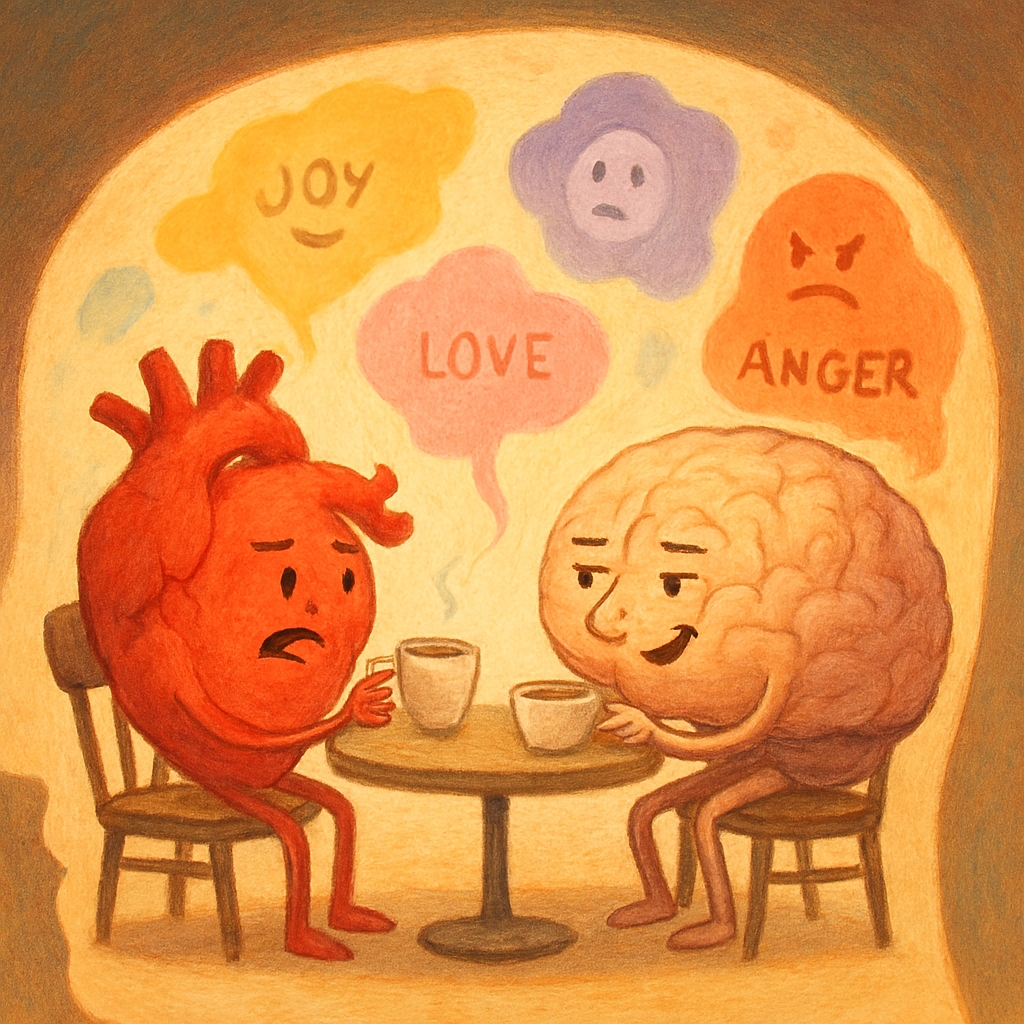
We like to believe our decisions are born in neat meeting rooms inside the brain—well-lit, logical, wearing spectacles and sipping black coffee. In reality, most decisions are made in pajamas, on a couch, by emotions holding a remote control and saying, “Relax, I’ve got this.”
Every choice we make—what to say, what to buy, whom to trust, when to walk away—passes through the emotional filter first. Logic arrives later, often just to justify what the heart already approved. As one wise thought puts it, “The mind explains, but the heart decides.”
Think about the last time you sent a message and instantly regretted it. Or bought something you didn’t need but felt you deserved. Or stayed silent when you should have spoken up because fear whispered, “Not today.” Emotions don’t knock before entering; they kick the door open and rearrange the furniture.
Happiness makes us optimistic gamblers. Sadness turns us into overthinkers. Anger hands us sharp words we later wish we could return. Fear makes the future look like a horror movie trailer. Love? Love convinces us that red flags are just decorative banners. As someone once joked, “Love is blind, but emotions have excellent imagination.”
Interestingly, emotions are not villains. They are ancient survival tools. Fear once saved us from predators; today it saves us from bad investments—or stops us from taking good risks. Joy helps us connect. Sadness slows us down to heal. Even anger, when understood, points to boundaries being crossed. “Emotions are signals, not commands,” yet we often treat them like unquestionable bosses.
The trouble begins when we confuse intensity with truth. A strong emotion feels important, urgent, absolute. But feelings are weather, not climate. They change. Decisions made in emotional storms often look very different under clear skies. That’s why the calmest decision is rarely made in the loudest moment.
The real skill isn’t eliminating emotions—impossible and unhealthy—but inviting awareness to the table. Pause. Name the feeling. Ask what it’s protecting, what it’s afraid of, what it needs. Then let logic and values join the conversation. “Wisdom is not choosing between heart and head, but letting them walk together.”
When emotions are acknowledged, not suppressed, decisions become kinder, wiser, and more aligned with who we truly are.
Thought to Ponder:
The next time you make a big decision, ask yourself—is this choice guided by a temporary emotion, or by the person I want to become once the emotion settles?
 Sharon's Read And Reflect
Leave a comment