
“The greatest gifts you can give your children are the roots of responsibility and the wings of independence.” — Denis Waitley
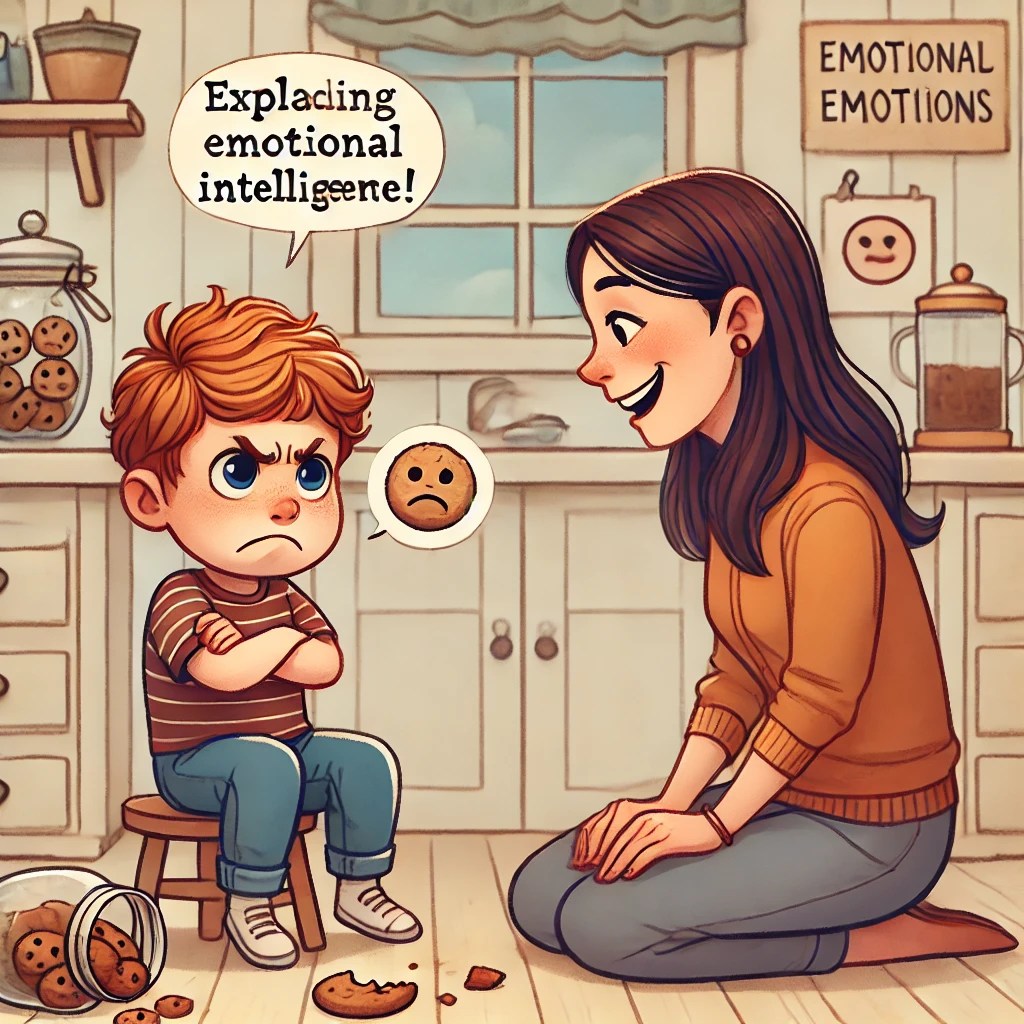
Imagine this: You lovingly hand your child a cookie, and—uh-oh—it’s broken. Suddenly, the world is ending. Tears, tantrums, maybe even dramatic flailing on the floor. You stand there, cookie in hand, wondering, “Is this really happening?”
Sound familiar?
As parents, we’ve all been there. The truth is, for kids, emotions can feel big, overwhelming, and completely unmanageable—whether it’s a broken cookie, lost toy, or not getting the blue cup instead of the red one. But here’s the golden opportunity: every meltdown, every pouty face, every “It’s not fair!” moment is a chance to build emotional intelligence (EQ).
And before you think, “Wait, I’m still figuring out my own emotions!”—relax! Teaching kids EQ isn’t about being a perfect parent with flawless self-control. It’s about small, everyday moments that help them understand, express, and regulate their feelings.
So, how do we turn cookie crises into life lessons? Let’s dive in.
Step 1: Name That Emotion!
“Feelings are much like waves; we can’t stop them from coming, but we can choose which one to surf.” — Jonatan Mårtensson
Kids often feel emotions intensely but lack the vocabulary to express them. This results in the classic, “I’m angry!” when they’re actually frustrated, embarrassed, or just tired.
Turn it into a fun game:
“Are you mad like an angry volcano or just annoyed like a mosquito buzzing around?”
“Do you feel sad like a cloudy day or lonely like the only slice of pizza left in the box?”
Once they start labeling their emotions, they realize emotions aren’t these big, scary monsters—they are just visitors that come and go.

Step 2: Model, Don’t Lecture
“Children are great imitators. So give them something great to imitate.” — Anonymous
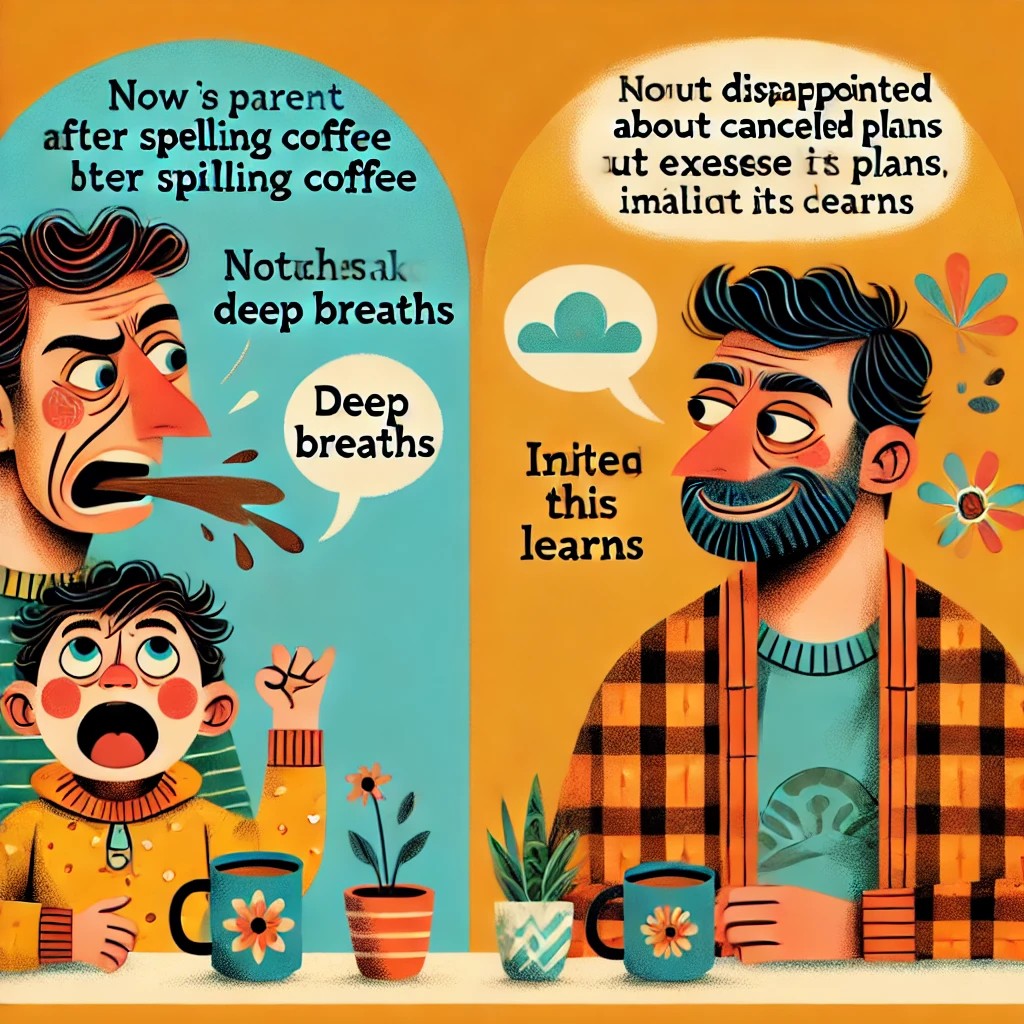
Ever noticed how your child mimics your reactions? If you scream when you’re stressed, they’ll learn to do the same. If you remain calm when your phone crashes for the tenth time, they will (hopefully) learn that too.
Try saying:
“I’m feeling frustrated because I spilled my coffee, but I’m going to take deep breaths and clean it up.”
“I was so excited about my plans, but they got canceled. I feel disappointed, and that’s okay!”
This way, kids learn that emotions are natural, and so is managing them in a healthy way.
Step 3: Teach the Magic Pause Button
“Between stimulus and response, there is a space. In that space is our power to choose our response.” — Viktor Frankl
Have you ever wished your child had a remote control with a pause button? Well, they do! It’s called self-awareness.
Teach them to take a deep breath before reacting. A simple trick? The “Balloon Breathing” method:
Imagine you’re blowing up a giant balloon. Inhale deeply through your nose, and slowly blow out as if filling the balloon.
Repeat a few times before responding.
This small habit can save them (and you) from unnecessary emotional explosions.

Step 4: The Empathy Mirror
“Empathy is seeing with the eyes of another, listening with the ears of another, and feeling with the heart of another.” — Alfred Adler
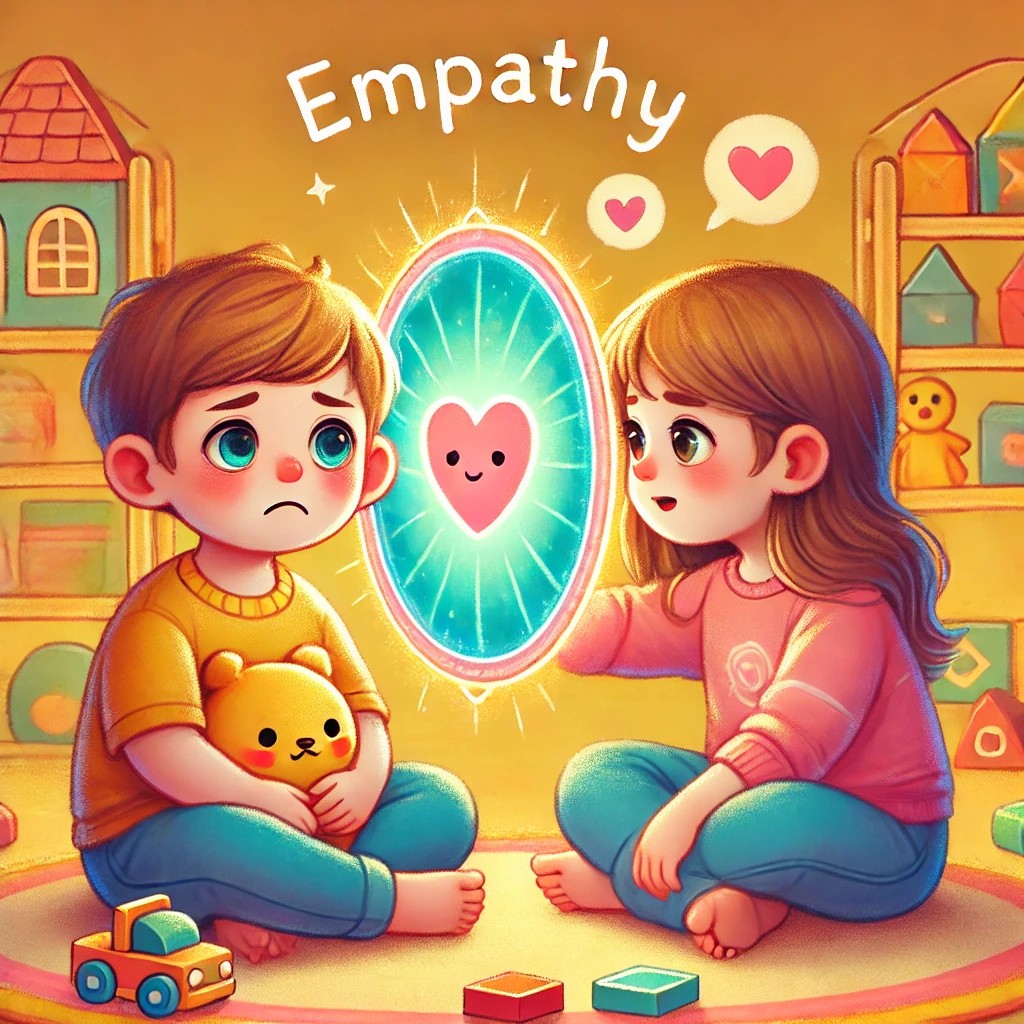
If you’ve ever heard “But it’s not my fault!” after an argument between siblings, you know empathy isn’t always automatic. The best way to build it? Role-playing!
Ask:
“How would you feel if your friend said that to you?”
“What do you think your brother was feeling when that happened?”
Understanding others’ emotions builds kindness and better relationships—skills they’ll need long after their LEGO-building years.
Step 5: The “Oops, I Messed Up” Club
“Failure is the opportunity to begin again, only this time more intelligently.” — Henry Ford
Mistakes are inevitable. But instead of reacting with frustration, teach them to own up to it with humor and a growth mindset.
Have a family rule:
“We all make mistakes, and we all learn from them.”
If your child yells in anger, encourage them to say,
“Oops! That wasn’t the best way to say it. Let me try again.”
Share your own “Oops” moments and how you handled them.
This makes emotional intelligence a journey, not a one-time lesson.

A Thought to Ponder:
“The way we talk to our children becomes their inner voice.” — Peggy O’Mara
One day, your little one will grow up and face a tough moment. The words they’ve heard from you—about patience, kindness, resilience—will echo in their minds. What do you want those words to be?
If your child could borrow your emotional habits for a day, would you be proud of what they learned?

Thank you for taking the time to invest in your child’s emotional intelligence. After all, in a world full of knowledge, EQ is what truly sets them apart!
 Sharon's Read And Reflect
very good article … Worth to read
LikeLiked by 1 person
Thank you so much for appreciating my blog 😍
LikeLike